
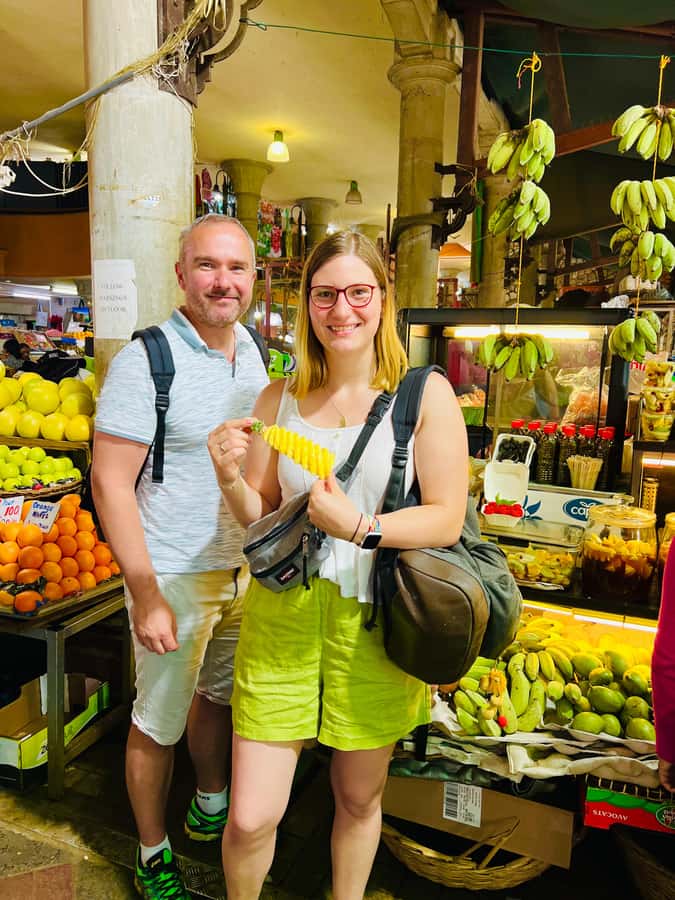
REVIEW · PORT LOUIS TOURS
Port Louis: Street Food & City Tour
Port Louis tastes like a history lesson. This small-group street food walk from the Caudan Waterfront connects Mauritius’ Indian, Chinese, and African influences with stops like Central Market and Chinatown, plus a museum moment that adds context. Port Louis is the star, but the food tells the story.
I love how each tasting links to the island’s culture, so you taste history instead of just eating snacks. I also like the built-in payoff: 6-8 bites plus fruit and juice, with plenty of time to see key city areas. The guide on the route, often Dourvesh, keeps the pacing friendly and the stories clear.
One caution: you are walking for 210 minutes, often in sun, so skip a heavy breakfast and bring shade and rain gear. Come hungry, but plan your comfort too.
In This Review
- Key highlights worth circling
- Port Louis starts at Caudan Waterfront, right by Le Casino
- The food mission: tasting Mauritius through 3 cultural threads
- The museum stop that makes the street snacks click
- Chinatown gates and Hakka-style bites in Port Louis lanes
- Central Market: where gato pima and chili bites do the talking
- Company Garden and old building walks between tastings
- Pace, walking distance, and what to bring (so you feel good)
- Price and value: $42 for 6-8 tastings plus guided context
- Dietary needs: what to tell the guide
- Who should book this Port Louis street food and city tour
- Should you book Port Louis Street Food and City Tour?
- FAQ
- How long is the Port Louis street food and city tour?
- How many food tastings are included?
- Where do I meet the guide?
- What’s included in the tour price?
- Is hotel pickup and drop-off included?
- What group size and languages are offered?
- What should I bring?
Key highlights worth circling
- 6 to 8 tastings across Indian, Chinese, and African influences
- Caudan Waterfront meet-up at Le Casino, easy to find and perfect as a starting point
- Chinatown gates with Hakka-inspired treats from Port Louis lanes
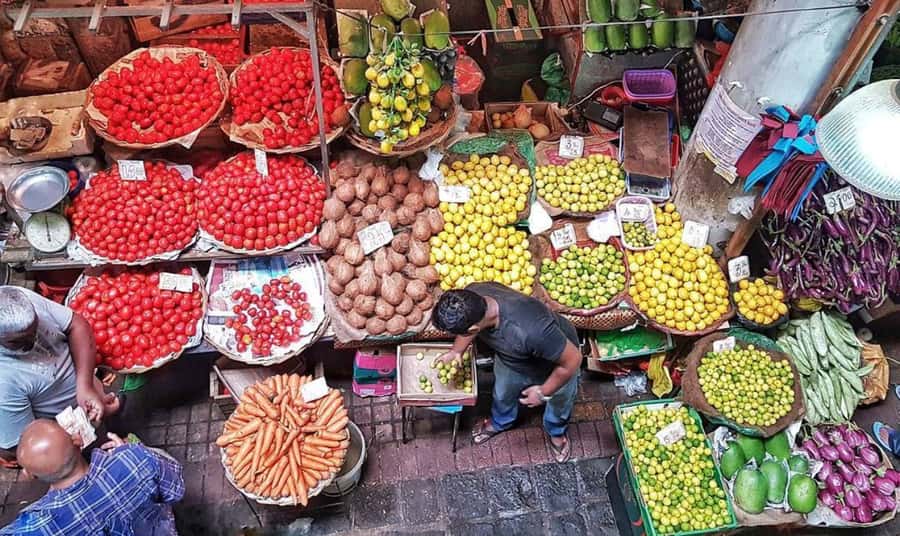
- Central Market stops built around foods like gato pima, chili bites, and split-pea goodness
- Company Garden area with old buildings and trees with hanging roots
- Small group (max 10) with an English or French guide in a black hat
Back in the capital? More of Port Louis on foot
Port Louis starts at Caudan Waterfront, right by Le Casino
Your tour begins at Le Casino, in front of the building at Caudan Waterfront, across from Café LUX. This is a smart starting point because it gets you into the city energy quickly, without complicated transfers. If you’re coming from cruise-port areas or staying nearby, this location is also very practical.
Meeting the guide in a black hat helps a lot, especially in a crowd of people. And because it’s a small group limited to 10, you should feel like you’re moving with a real person, not joining a conveyor belt.
What I like most about starting here is the logic: you begin modern, waterfront Port Louis, then slide into older neighborhoods and markets as the tour goes on.
The food mission: tasting Mauritius through 3 cultural threads
Mauritius is one of those places where food is never random. It reflects the island’s movement of people, religions, and everyday habits, and you feel those influences in the bites you try. This tour is built around that idea, with tastings that draw from Indian, Chinese, and African culinary roots.
At the street stalls and market counters, you’re not just sampling flavors, you’re getting small explanations for why those dishes exist. That context matters because it turns a snack into a memory you can actually name.
If you’re a food lover who hates guessing what to order, this format is a lifesaver. The guide handles the ordering, timing, and the “try this one next” rhythm, so you spend your energy eating and watching the city.
The museum stop that makes the street snacks click
Before you plunge into the market lanes, you visit a historical museum tied to Mauritius’ people and how culture shaped cuisine. In the experience I saw described, this includes the immigration history museum stop commonly called Aapravasi Ghat Centre.
This matters because the street food is only half the story. The museum stop helps you understand the movements and mixing of communities that later shows up in the flavors you’re eating. You’ll also get a clearer sense of why Port Louis became the hub for so many food traditions.
A practical note: museums usually mean you shift gears from eating to listening for a bit. If you’re sensitive to long indoor segments, just know that it’s meant to set up the rest of the walk, not to drag on.
Chinatown gates and Hakka-style bites in Port Louis lanes
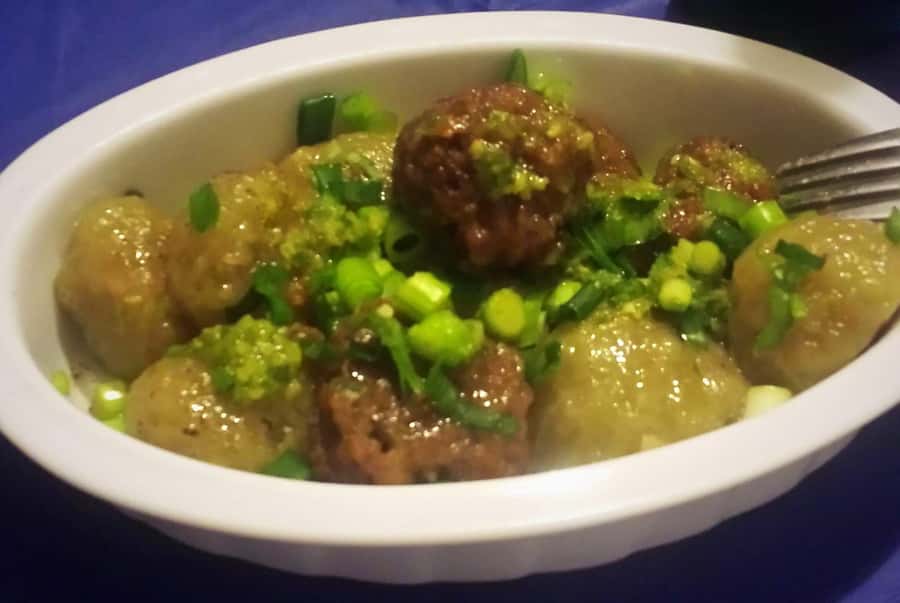
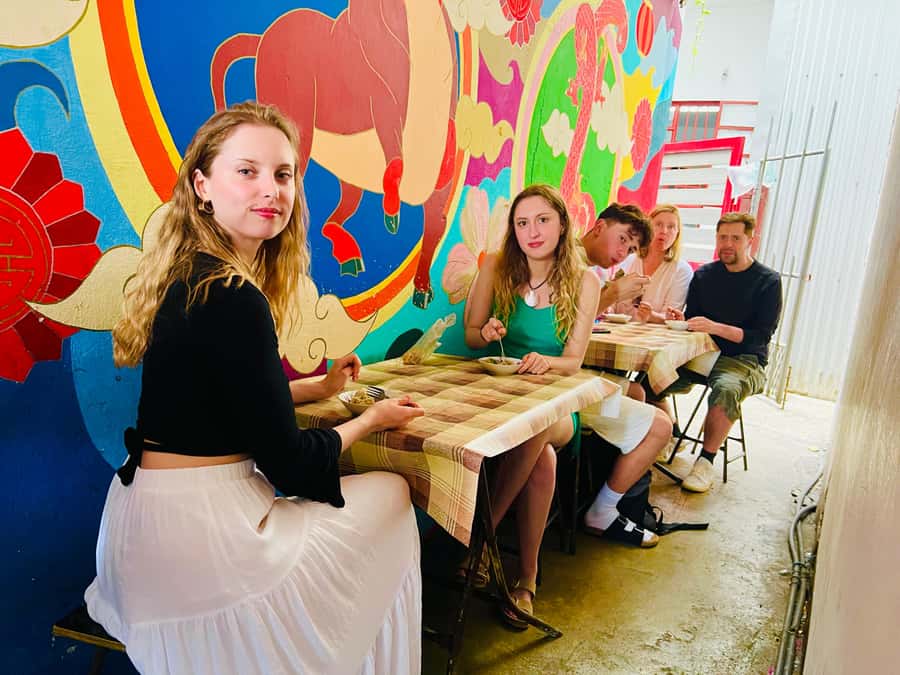
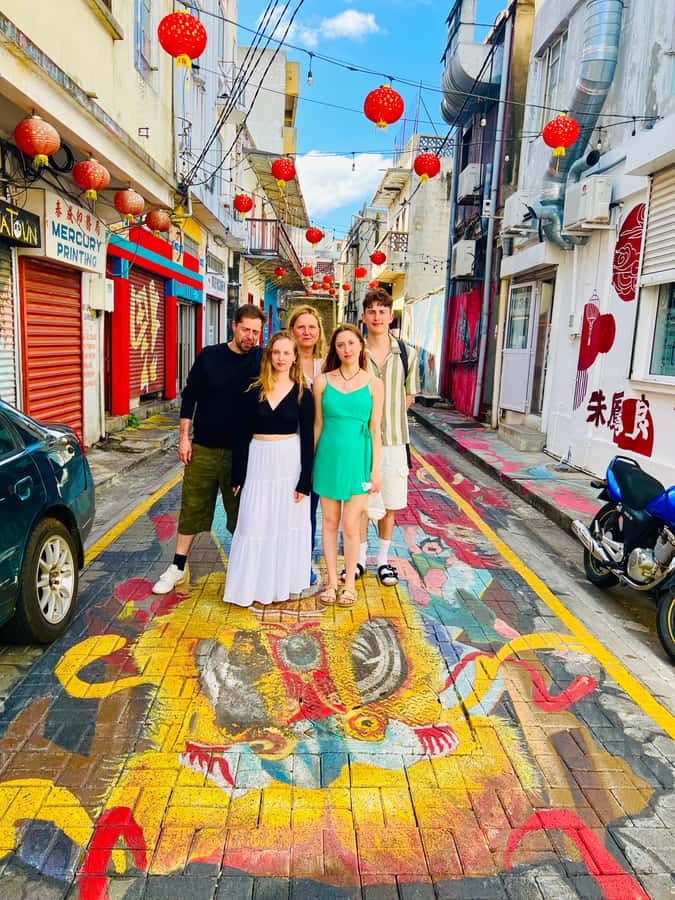
Next comes Chinatown, and the tour is specifically framed around walking to the gates of the area and tasting treats derived from Hakka Chinese dishes. Hakka influence is one of those food routes you won’t easily find on your own unless you already know where to look.
This is the part where the city starts to feel more textured. You’re in older streets, where the pace slows down to match alley life. You’ll likely see temples and street details along the way too, which makes the route feel more like exploring than just hopping between stalls.
Food-wise, expect savory snacks that feel made for sharing, plus flavors that lean a bit different from the Indian side of the island. You might also notice that some dishes are built on simple, practical ingredients, then turned into something special by technique and seasoning.
Tip: if you’re unsure about spice levels, tell the guide what you can handle. The route is built around tasting variety, so don’t quietly suffer for “authenticity.” The goal is to enjoy the flavors.
Where we ate and drank well on the island
- Mauritius: Snorkeling with Turtles & Port Louis Street Food★ 4.4 · 61 reviews
- Mauritius: North Tour with Tea Tasting & Oceanarium Visit★ 4.2 · 16 reviews
- Mauritius: Port Louis / China Town Food & Culture Tour★ 4.7 · 10 reviews
- Flavors of Port Louis: Guided Food Tasting Tour with a Local★ 4.5 · 9 reviews
- Port Louis: Private Guided Tour and Street Food Tasting★ 4.7 · 5 reviews
Central Market: where gato pima and chili bites do the talking
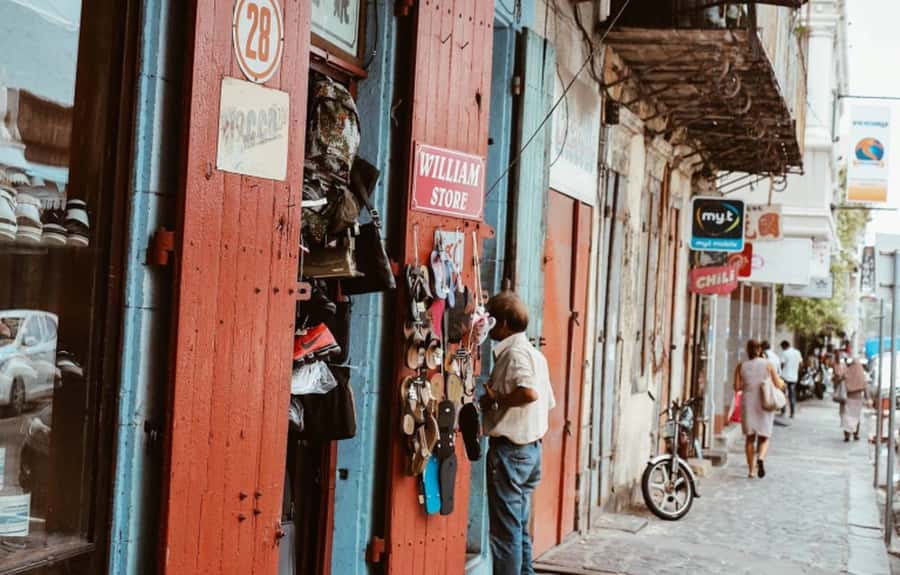
Central Market is the main food engine of the tour. This is one of those places where you realize why locals trust markets for daily eating. The stalls are where you find both classic comfort foods and the deep, street-level versions of dishes that look similar but taste totally different.
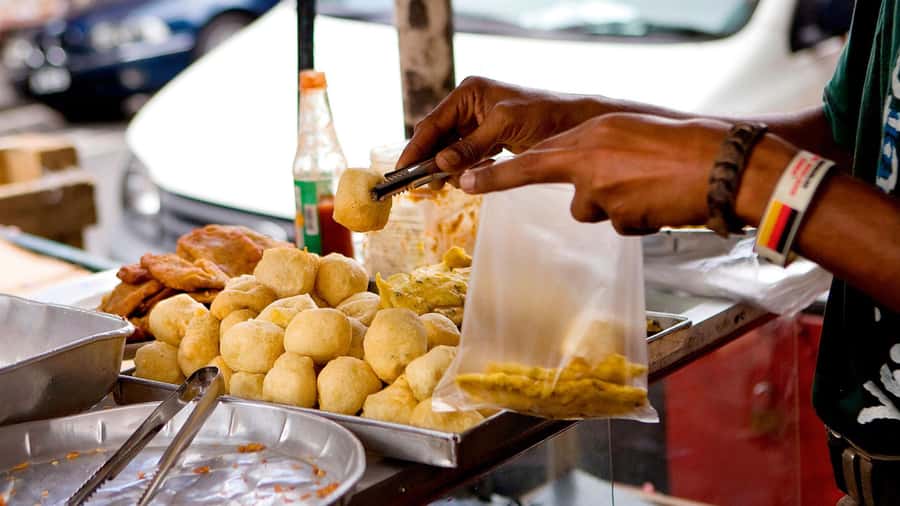
One standout described clearly is gato pima, often described as deep-fried chili bites. You’ll learn they’re made with soaked split peas, zingy spring onions, and green chilies. The combination is exactly why it pops, because it brings crunch, heat, and fresh aromatics together in one small bite.
You’ll also get tropical seasonal fruits, with an optional fruit sauce. This is a smart pairing because fruit cleans up your palate between heavier fried tastings. It also keeps the tour from becoming one long parade of spice.
In terms of value, Central Market is where you feel the “guided” advantage the most. If you tried to do this alone, you’d spend a lot of time figuring out what’s actually good and where locals line up. Here, the guide’s route does that work for you.
Company Garden and old building walks between tastings
Between food stops, you move through parts of the city that add breathing room and context. The highlights include Company Garden, plus time for old buildings and a garden with trees that have hanging roots.
This is more than sightseeing filler. It helps you understand why street food is tied to place. Markets, gardens, and religious or cultural spaces are all part of how communities gather and share food.
If you like small details, keep your eyes open for street art and architectural quirks mentioned during the tour. Even when you’re not stopping to photograph, the walk is paced so you can look around without falling behind.
Drawback to know: the comfort level depends on weather and how warm the day is. You’ll want comfortable clothes that won’t make you hate the walk midway through, especially if the sun is strong.
Pace, walking distance, and what to bring (so you feel good)
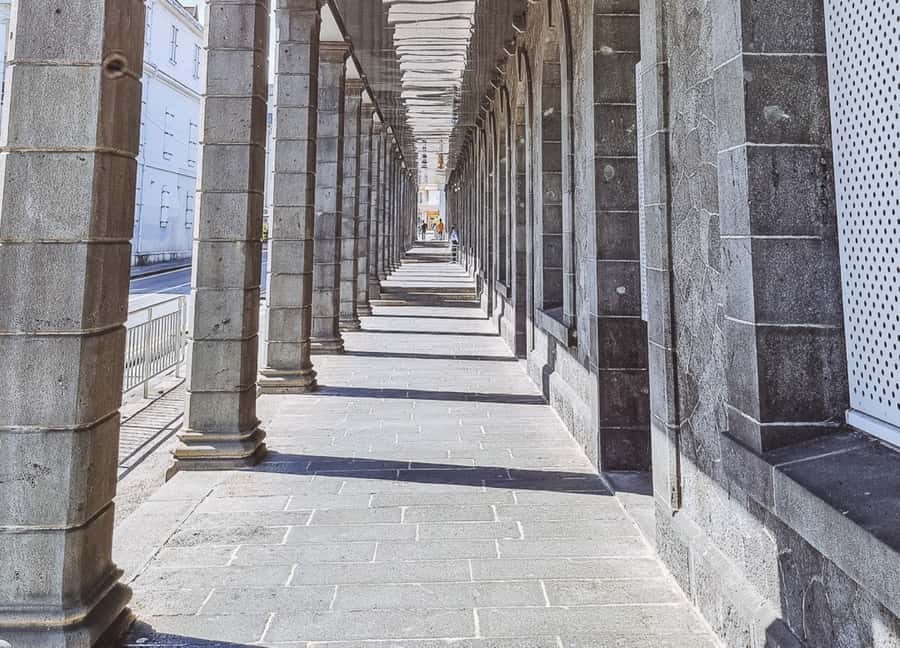
The tour runs 210 minutes, and you’re doing it on foot. One review noted it can add up to over 5 kilometers of walking, and that sounds about right for a route that hits museum time, Chinatown gates, Central Market, and garden areas.
So treat this like a real city walk, not a quick snack crawl. In the practical list of what to bring, you’ll want:
- Comfortable shoes (no soft-sneaker disappointment)
- Sun hat and sunscreen
- Umbrella and rain gear
- Comfortable clothes you can move in
A parasol can be a lifesaver in intense sun, since heat came up in the feedback. And because you’re eating regularly, plan your timing around your stomach, not just your schedule.
If you like your day structured, this is a great mid-morning or early afternoon activity. It also works well as a first Port Louis day tour because it helps you get your bearings across neighborhoods.
Price and value: $42 for 6-8 tastings plus guided context
At $42 per person for about 3.5 hours, the price feels fair if you price it like a local experience, not a single meal. You’re paying for:
- All food tastings (about 6-8)
- Fresh tropical fruit
- Milkshake or juice
- A bottle of water
- A guided route that connects the food to city history and culture
If you ate at random spots, you would still spend a chunk of money on food, and you’d likely miss the “why this dish exists here” context. The guide also helps you avoid the common trap of finding a menu and realizing you have no clue what to order.
Small group size also supports value. You get a better chance for personal attention, questions, and dietary discussions, rather than shouting across a big crowd.
Dietary needs: what to tell the guide
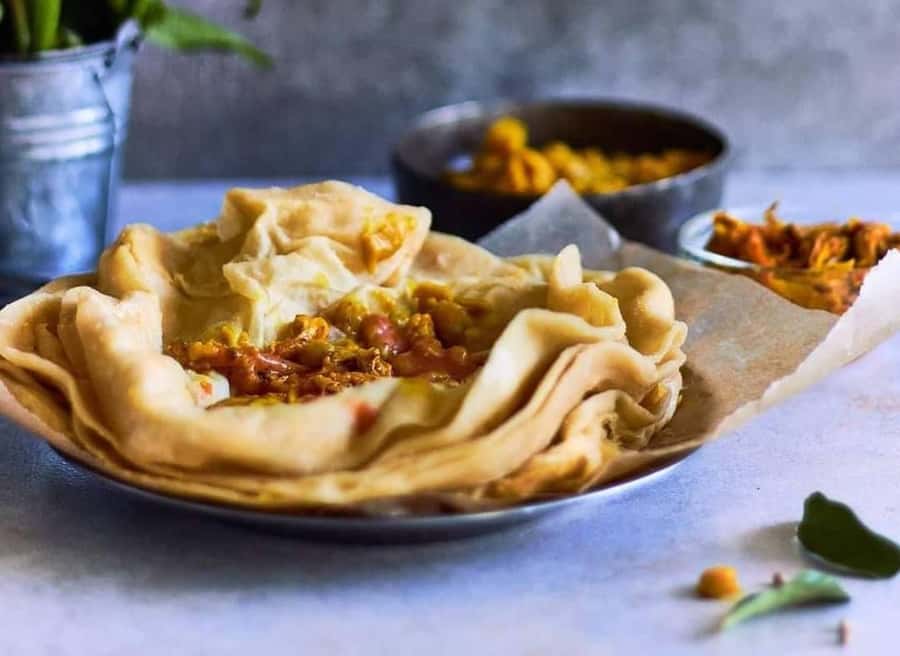
This tour includes lots of different food stops, so it can be an easy win if you share your needs early. One review said vegan dietary requirements were handled thoughtfully.
Still, there can be limits with vegetarian options at certain stalls. One feedback pointed out that a vegetarian request at one stop was met by skipping meat or fish, without a full substitute. So, be direct: tell the guide you want either vegetarian alternatives or clearly meat-free dishes, and ask how they’ll handle each tasting.
If you have allergies, don’t assume basic safety will happen automatically. It’s a street-food route, which means the best approach is clear communication and asking questions before you eat.
Who should book this Port Louis street food and city tour
I think this tour is best for you if:
- You want street food without the stress of hunting down the right stalls
- You like history that explains everyday life, not just facts in a classroom
- You enjoy walking city neighborhoods to get a feel for culture and rhythm
- You want a small-group guide route with English or French
It’s also a good choice if you only have a limited time in Port Louis. In a single afternoon, you hit waterfront starting points, major market energy, Chinatown lanes, and a garden stop with old-city character.
Should you book Port Louis Street Food and City Tour?
Yes, if you can handle walking and you want a food-led way to understand Port Louis. The tour’s best strength is the combination: tastings that connect to cultural roots, plus city sights that explain where those foods show up.
I’d especially book it early in your Port Louis stay, because the route helps you learn how the city is laid out around markets and cultural neighborhoods. Just come prepared: wear good shoes, bring shade and rain protection, and give your stomach room for multiple tastings.
FAQ
How long is the Port Louis street food and city tour?
It lasts 210 minutes.
How many food tastings are included?
You’ll try approximately 6-8 different dishes.
Where do I meet the guide?
In front of Le Casino, opposite Café LUX at the Caudan Waterfront, Port Louis.
What’s included in the tour price?
All food tastings (about 6-8), fresh tropical fruits, milkshake or juice, and a bottle of water.
Is hotel pickup and drop-off included?
No, hotel pickup and drop-off are not included.
What group size and languages are offered?
It’s a small group limited to 10 participants, and the guide speaks English and French.
What should I bring?
Comfortable shoes, a sun hat, an umbrella, sunscreen, rain gear, and comfortable clothes.
More Island Outings We Reviewed


The Full Mauritius Review Pile
Port Louis, Street by Street
Fresh from our Mauritius review notebook
- Mauritius Private South West Tour
★ 5.0 · 3 reviews - 1 way Airport transfer
★ 4.0 · 3 reviews - Southern Mauritius: Volcanoes & Coloured Earth
★ 5.0 · 3 reviews - Port Louis: City Tour with Street Food Tasting
★ 5.0 · 3 reviews - North Tour Of Mauritius With Street Food tasting
★ 5.0 · 3 reviews - Insta-Worthy City Tour: Unveil Picture-Perfect Spots
★ 5.0 · 3 reviews
Port Louis Tours, compared.
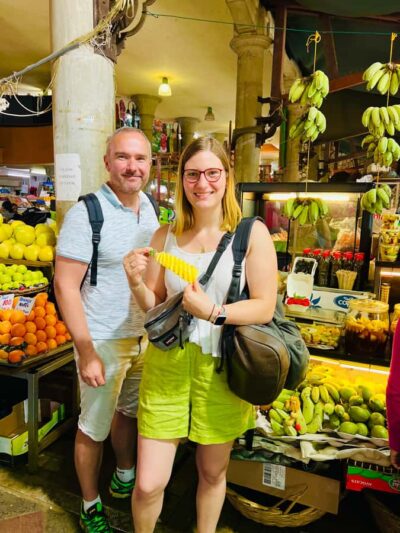 ★ 4.7Port Louis: Street Food & City TourFrom $58518 reviews
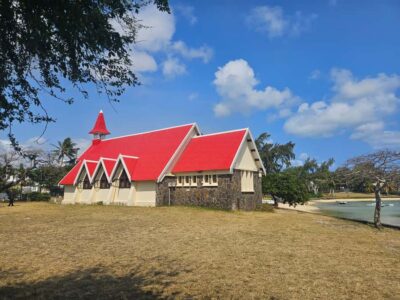 ★ 4.7Port Louis: Mont Choisy, Botanical Garden, and Church TourFrom $129268 reviews
 ★ 5.0Port-Louis Street Food TourFrom $57264 reviews
 ★ 4.6Port Louis Market, Botanical Garden -Northern Mauritius TourFrom $125164 reviews
 ★ 4.3Port Louis and Northern Highlights Full-Day TripFrom $64161 reviews
 ★ 4.5Port Louis Street Food Walking TourFrom $7093 reviews
 ★ 4.5Private Full Day Tour of Port Louis and NorthernFrom $8492 reviews
 ★ 4.9Port Louis: Street Eats and City Highlights Walking TourFrom $4173 reviews
Browse the lists this tour appears in