
REVIEW · PORT LOUIS TOURS
Mauritius: Port Louis Street Food City Tour
Street food can be your best history lesson. This Port Louis tour links Caudan Waterfront with markets, Chinatown gates, and a garden stop, with guided context and plenty of tastings. It is a simple 3 to 4 hour plan that makes the city feel walkable, not overwhelming.
Two things I really like. First, the food stops are specific, not vague, including deep-fried gato pima and chili bites with soaked split peas, spring onions, and green chilies. Second, you go past old shopfronts in Chinatown and try about 8 dishes tied to Hakka Chinese cooking, with background on how trade and neighborhood business life changed over time.
One consideration: there is no hotel pickup, so you need to make it to the meeting point at IBL House in Port Louis for the 10:00 am start. If you rely on taxis or late starts, build in time, because the walking adds up.
In This Review
- Key highlights to know before you go
- Where the tour starts, and why it matters
- Aapravasi Ghat World Heritage Site: the story behind Port Louis
- Jummah Mosque: where architecture tells mixed heritage
- China Town: old shopfronts, trade history, and about 8 tastings
- Central Market: fruit, herbs, spices, and chili-forward bites
- Les Jardins de la Compagnie: banyans, statues, and a calm break
- Lunch, snacks, and how the tastings actually feel
- Price and value: what $49.40 buys you
- Who should book this tour, and who might skip it
- Should you book Port Louis Street Food City Tour?
- FAQ
- How long is the Port Louis Street Food City Tour?
- Where does the tour start and end?
- What time does the tour begin?
- Is hotel pickup included?
- What is included in the price?
- How many food dishes will I try?
- What if the weather is bad?
Key highlights to know before you go
- Caudan Waterfront start, then quick history hits to set the scene for what you will eat
- Aapravasi Ghat included with admission, tied to indentured labor and the sugar economy
- Jummah Mosque stop showing Indian, Creole, and Islamic architectural mix
- China Town walk plus about 8 tastings, including Hakka-influenced treats
- Central Market time with fruit, herbs, spices, and food sampling
- Les Jardins de la Compagnie in daylight, with banyan trees and local statues
Back in the capital? More of Port Louis on foot

Where the tour starts, and why it matters
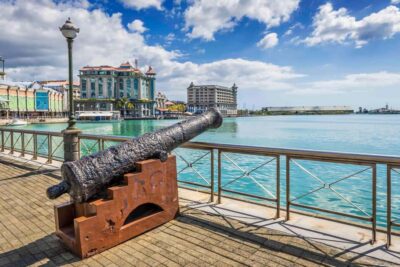
You begin at Caudan Waterfront, near IBL House in Port Louis. That is a smart starting choice because it gives you an easy visual anchor right away, and you are not scrambling across the city to find the first stop.
The group stays small, up to 10 travelers, which usually means the guide can keep things moving without cutting out the small moments. The pace is built for eating and short walks, not for a marathon of attractions. You get a mobile ticket, bottled water, and time at key sights rather than only photo stops.
The practical part: come to the meeting point on time. The tour is 3 to 4 hours, and it starts at 10:00 am, with the day’s rhythm shaping the market feel.
Aapravasi Ghat World Heritage Site: the story behind Port Louis
Stop 1 is Aapravasi Ghat, a 1,640 m2 site tied to the start of indentured labor in Mauritius. In 1834, the British Government chose Mauritius for what it called a great experiment in replacing enslaved labor with what they framed as free labor.
You learn that between 1834 and 1920, almost half a million indentured laborers arrived from India. Some worked in Mauritius sugar plantations, and others were transferred onward to places like Reunion Island, Australia, parts of Africa, and the Caribbean. This stop is not just a memorial. It is a lens on why Port Louis became a crossroads.
Why it helps your food tour: once you understand that huge migration and labor system shaped society, the later food and cultural stops make more sense. Food here is not a museum piece. It is living identity, carried through generations.
Practical note: the stop is about 30 minutes with admission included. It is long enough for the key story beats, but short enough to keep the day rolling toward the markets.
Jummah Mosque: where architecture tells mixed heritage
Next up is Jummah Mosque (Jummah Masjid), dating from the 1850s. The building is known for combining Indian, Creole, and Islamic architecture, so you can literally see how different cultural threads overlap in Port Louis.
The mosque also houses the remains of Jamal Shah, described as a pir from Kutch, India. His resting place is in a marble tomb next to the mosque. That small detail matters because it connects Mauritius to networks beyond the island.
Why you should care on a street food day: the tour is not only eating. It is also about how communities formed, worshipped, and traded. When you later walk through China Town and the Central Market, you will recognize the city as a place shaped by contact, not isolation.
This stop is brief at about 10 minutes, with admission included. It is ideal if you want meaning without burning half your morning.
China Town: old shopfronts, trade history, and about 8 tastings
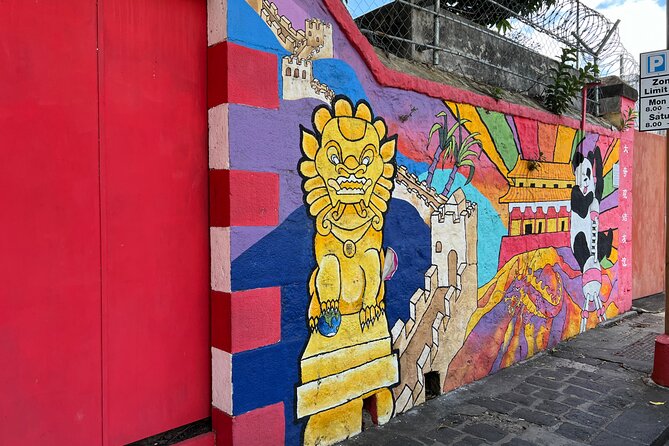
Then you enter China Town through the gates of the neighborhood. This is the part that feels like stepping into a working district, not a theme park.
You will notice older Chinese families running businesses for generations, and the shops can be tiny and darker inside. That older storefront vibe is part of what gives China Town its distinct look. At the same time, there are newer buildings in the area too, so you get a real sense of how places change while still keeping continuity.
The tour also gives context. Trade has long been central to Sino-Mauritian culture. But as supermarkets arrived on the island, China Town declined as the main commercial hub, and its former glory faded.
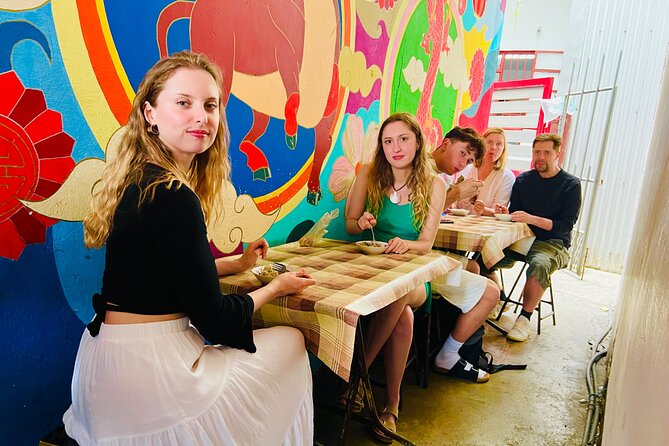
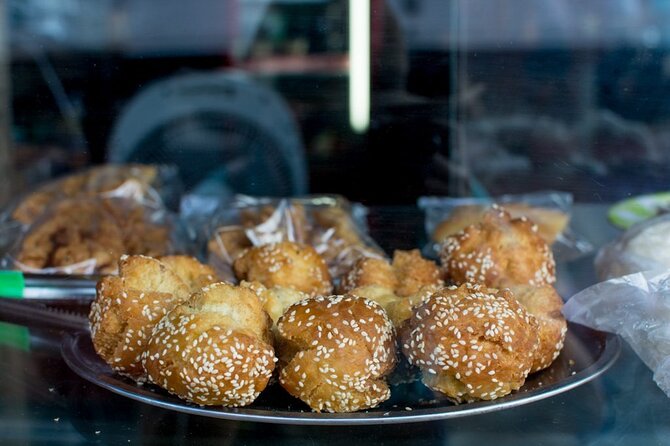
Now for the main payoff: you sample about 8 different dishes. The treats are described as derived from Hakka Chinese dishes, so expect flavors that reflect a specific Chinese regional influence rather than one generic idea of Chinese food. The guide keeps it structured so you taste, then understand what you just tasted.
The biggest advantage here is pacing. Instead of wandering and guessing which snack is worth the money, you get a sequence of bites and explanations that help you compare flavors across stops.
Where we ate and drank well on the island
- Mahebourg Village Food Tour★ 5.0 · 35 reviews
- Grand Bay Food Tour★ 5.0 · 21 reviews
- Mahebourg Village Food Tour★ 4.6 · 19 reviews
- China Town & Port-Louis Mix Food Tour★ 5.0 · 15 reviews
- Port Louis Street Food and Cultural Walking Tour★ 5.0 · 5 reviews
Central Market: fruit, herbs, spices, and chili-forward bites
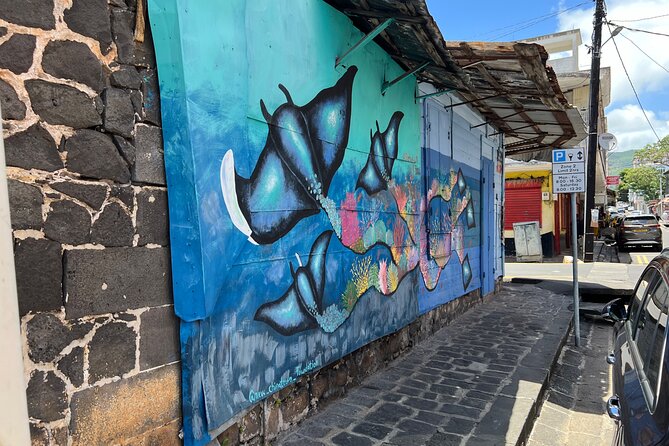
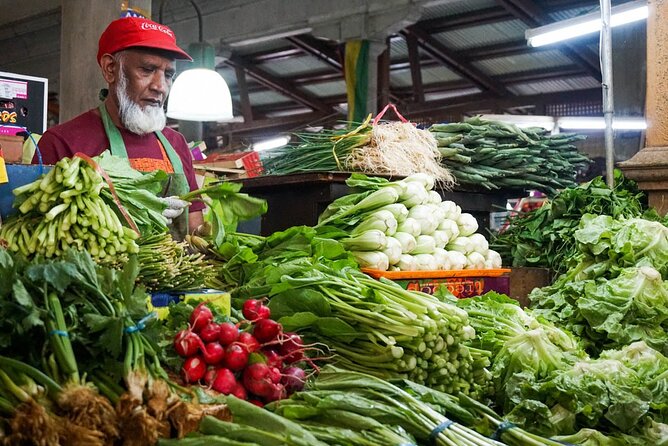
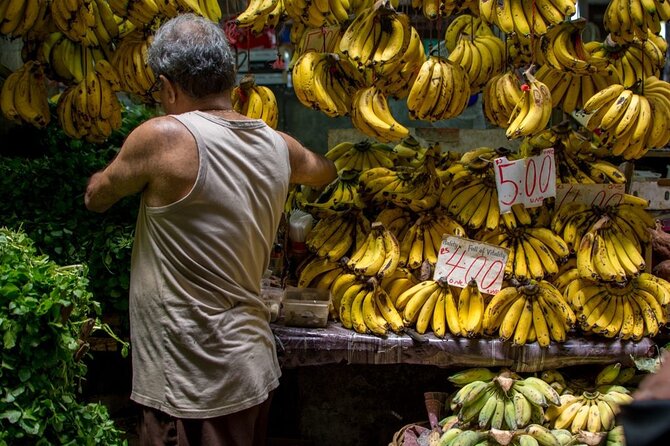
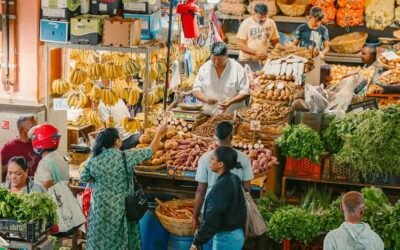
Stop 4 is the Central Market, a busy open-air spot where you can see and smell the raw ingredients behind a lot of local cooking. You are around fruit, herbs, spices, and potions, and that variety can be eye-opening if you usually only see spices in a supermarket jar.
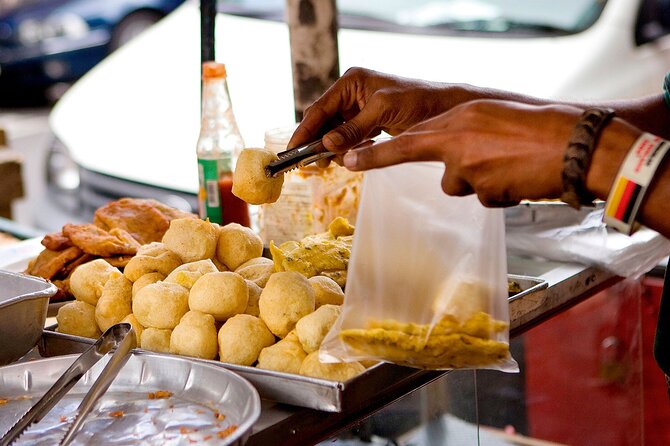
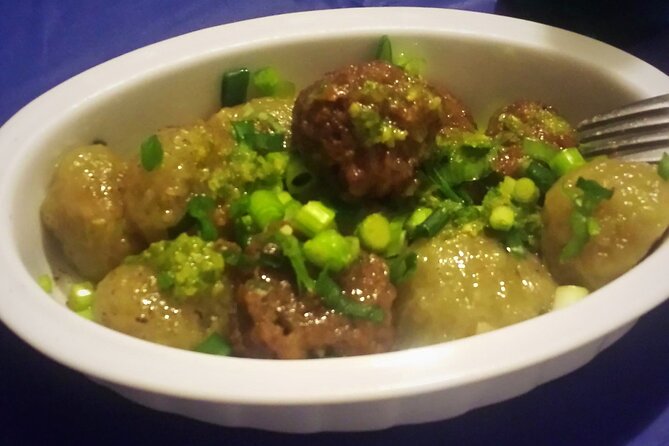
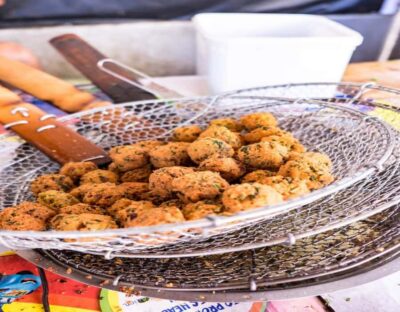
This is also where the tour leans into specific snack foods. One of the standouts described is gato pima, and the related chili bites. These are deep-fried and made with soaked split peas, spring onions, and green chilies. The idea is simple, and the taste is not subtle.
What I like about including Central Market in a food tour: it helps you connect the dots. You see the ingredients, then you taste the end result. When you understand the base, you are better at noticing how each bite balances heat, crunch, and freshness.
The market time is about 30 minutes, with admission included. It is long enough to look around, ask questions, and taste, without turning into a “stand and wait” experience.
Les Jardins de la Compagnie: banyans, statues, and a calm break
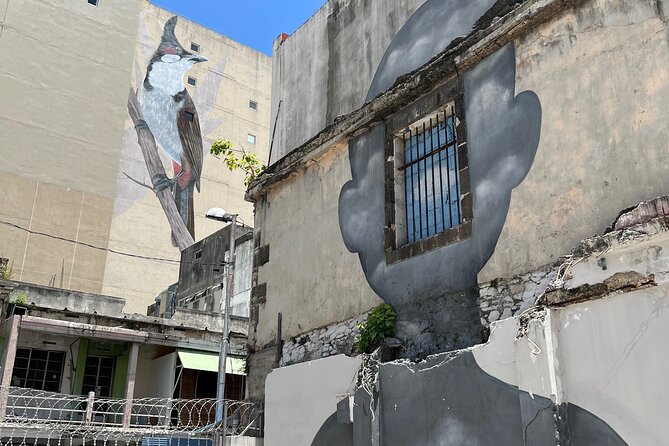
After the food intensity, you get a visual and sensory breather at Les Jardins de la Compagnie. This is the city’s most attractive garden, known for large banyan trees, statues, quiet benches, and fountains.
The garden has colonial roots too. During early colonial times it was the vegetable patch of the French East India Company. Today, it is tied to local art and music, including statues of sculptor Prosper d’Épinay and the musician Ti Frère.
The important practical note: the area is described as perfectly safe during the day, but not something to linger in after dark. Since your tour places it during daytime, you can enjoy the calm without worrying about being out late.
This stop is about 20 minutes with admission included. It is short, but it gives you a different side of Port Louis, one that feels slower and more reflective after market noise.
Lunch, snacks, and how the tastings actually feel
The tour includes snacks, lunch, food tastings, and bottled water, plus a local guide. That matters because Port Louis street food can be great, but it is easy to overspend if you are buying every random item that looks good.
Here, your eating is structured. You taste across multiple stops, then you get lunch so you are not left hunting for a full meal after you are already half-stuffed.
About that guide factor: guides like Dourvesh come up in the best kind of way, with just the right level of history and time to enjoy things on your own when you want to. On a food tour, the magic is not only what you eat, it is also the pacing between bites and the way the guide turns the walk into something you can remember.
Flavor reality check: with chilies and green chili notes showing up in the snack descriptions, expect heat and spice. If you prefer mild food, tell the guide early so you can pace your tastings.
Price and value: what $49.40 buys you
At $49.40 per person, this tour looks like a fair value for what you get in one compact window. You are paying for a local guide, snacks, lunch, bottled water, multiple tastings, and admission tickets at key stops.
Two other value signals: admission is included for stops like Aapravasi Ghat, Jummah Mosque, and the garden, so you are not adding surprise ticket costs later. And you are in a group capped at 10 travelers, which tends to keep costs lower than private guiding while still giving you attention during food sampling.
The tradeoff is simple: no hotel pickup. So your real cost is time, not money. If you are staying near the waterfront or you already know how you will reach Port Louis by public transit, you will likely feel the value quickly.
Also, the tour requires good weather. If it gets canceled for weather, you should expect a different date or a full refund.
Who should book this tour, and who might skip it
I think this is a strong fit if you want:
- Food with context, not just a list of snacks
- A short, guided walk through Port Louis neighborhoods that you might not feel confident exploring alone
- A manageable schedule, since it is 3 to 4 hours and focused on a handful of meaningful stops
You might consider skipping if:
- You are very sensitive to spicy foods and do not want to taste chili-based bites
- You do not want to navigate to a meeting point yourself, since there is no hotel pickup
- You want a long, deep sightseeing day rather than a food-driven morning with short cultural stops
Should you book Port Louis Street Food City Tour?
If you like the idea of learning while you eat, this is an easy yes. It does a smart job of pairing city history with food you can actually taste, from indentured labor context at Aapravasi Ghat to cultural architecture at Jummah Mosque, then straight into markets and Chinatown.
For the money, the combo of lunch, multiple tastings, bottled water, guide time, and admissions included adds up. You are also not stuck in one single market. You get a mix of ingredients, neighborhood shop life, and a daytime garden pause.
My only caution is logistical: plan your route to the IBL House meeting point for 10:00 am, and keep your schedule flexible in case weather affects the day.
FAQ
How long is the Port Louis Street Food City Tour?
It runs about 3 to 4 hours.
Where does the tour start and end?
It starts at IBL House, Port Louis, Mauritius. It ends back at the same meeting point.
What time does the tour begin?
The start time is 10:00 am.
Is hotel pickup included?
No. Hotel pickups and drop-offs are not included.
What is included in the price?
The tour includes snacks, lunch, food tastings, bottled water, and a local guide, plus admission tickets at the listed stops.
How many food dishes will I try?
The tour includes about 8 different dishes to try.
What if the weather is bad?
The experience requires good weather. If it is canceled due to poor weather, you will be offered a different date or a full refund.
More Island Outings We Reviewed





The Full Mauritius Review Pile



Port Louis, Street by Street
Fresh from our Mauritius review notebook
- Mauritius: Watersport Adventure Day with Lunch and Pickup
★ 3.9 · 3 reviews - The Tea Story with Lunch
★ 3.5 · 3 reviews - SouthEast Lagoon Discovery on shared basis on a Power Catamaran
★ 5.0 · 3 reviews - Shared 10 Pax Boat Tour: Dolphin Watching, Snorkelling and BBQ
★ 5.0 · 3 reviews - Mauritius Guided Sunrise Kayak Tour on the Tamarin River
★ 5.0 · 3 reviews - Mauritius Guided Kayak Experience to Benitiers Island
★ 5.0 · 3 reviews
Port Louis Tours, compared.
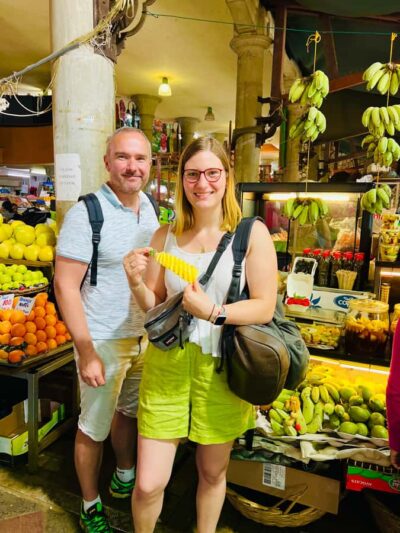 ★ 4.7Port Louis: Street Food & City TourFrom $58518 reviews
★ 4.9Port Louis: Street Food & City TourFrom $42377 reviews
★ 4.7Port Louis: Street Food & City TourFrom $58518 reviews
★ 4.9Port Louis: Street Food & City TourFrom $42377 reviews
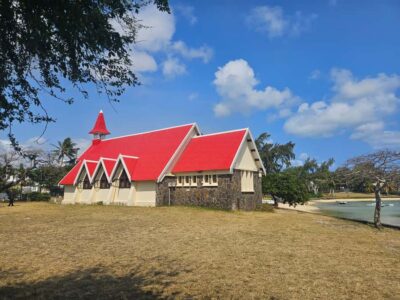 ★ 4.7Port Louis: Mont Choisy, Botanical Garden, and Church TourFrom $129268 reviews
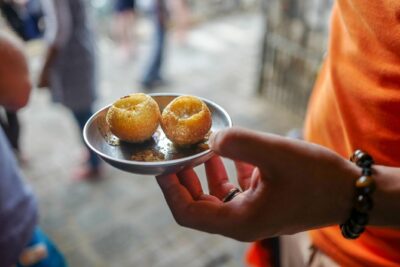 ★ 5.0Port-Louis Street Food TourFrom $57264 reviews
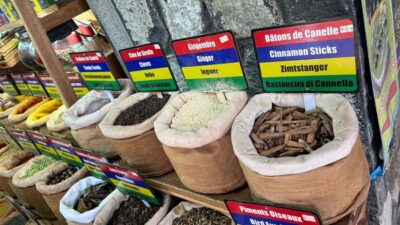 ★ 4.6Port Louis Market, Botanical Garden -Northern Mauritius TourFrom $125164 reviews
 ★ 4.3Port Louis and Northern Highlights Full-Day TripFrom $64161 reviews
 ★ 4.5Port Louis Street Food Walking TourFrom $7093 reviews
 ★ 4.5Private Full Day Tour of Port Louis and NorthernFrom $8492 reviews
Browse the lists this tour appears in