
REVIEW · THE TEA & RUM ROUTE
Mauritius: Tea and Sugar Plantation Guided Tour with Lunch
A tea and rum day beats another beach loop. This guided route links Mauritius plantations, old colonial buildings, and factory-era machinery into one smooth, hands-on afternoon. I especially liked the tea plantation walks and the way the tour turns a production story into something you can see.
I also loved the 3-course lunch on the grounds at Saint Aubin, because it feels tied to what you just learned, not like an unrelated stop. One thing to consider: the lunch is described as a fixed set menu, so if you need specific swaps, you may want to ask in advance.
In This Review
- Key Things You’ll Notice on This Mauritius Plantation Day
- First, What This Tour Feels Like (One Day, Three Flavors)
- Hotel Pickup, Timing, and How to Plan Your Day
- Le Domaine des Aubineaux: Colonial Houses, Tea Fields, and Essential Oil Distillation
- Bois Chéri Tea Plantation: Factory-Era Machinery and a Tea Tasting Moment
- Saint Aubin: Sugar Cane, Rum Tasting, Vanilla Greenhouses, and Farm Animals
- Lunch at Saint Aubin: Why It Works Better Than a Random Restaurant
- Rum Tasting: The Fun Part, and What to Expect
- Guides, Language, and How to Get More Out of the Day
- Price and Value: Is $350 Worth It for This Mauritius Route?
- Who This Tour Suits Best (And Who Might Prefer Something Else)
- Should You Book This Tea and Sugar Plantation Tour?
- FAQ
- How long is the Mauritius Tea and Sugar Plantation Guided Tour?
- What does the tour include?
- Where does the tour start and end?
- What estates and activities are part of the tour?
- Do I get to taste tea and rum?
- What language is the guide available in?
- Is this tour private and wheelchair accessible?
- Can I cancel if plans change?
- Is hotel pickup offered across Mauritius?
Key Things You’ll Notice on This Mauritius Plantation Day
- Le Domaine des Aubineaux photo and colonial house context, plus a stop at a historic distillery setup tied to essential oils
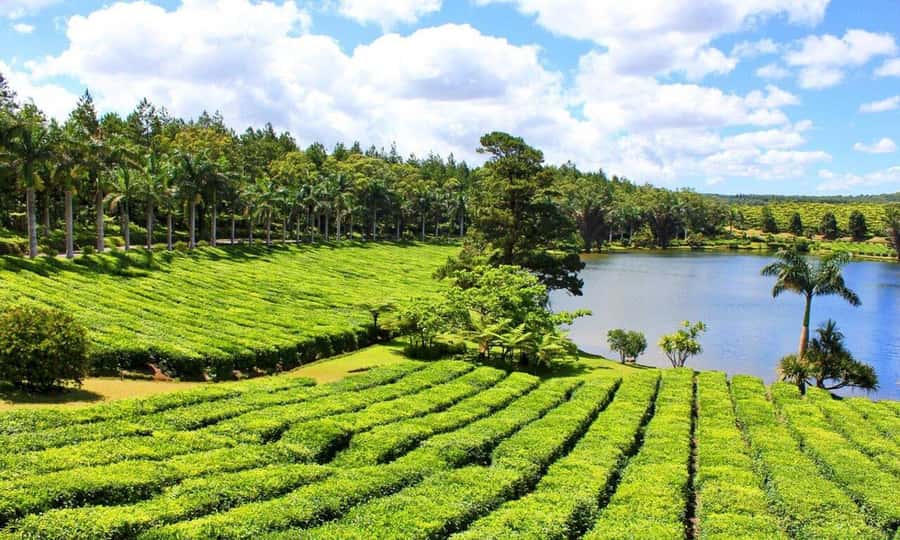
- Camphor tree garden and views over tea fields, with endemic forest trees along the way
- Bois Chéri tea factory machinery and tea museum, finished with a tea tasting and biscuits at the chalet
- Saint Aubin sugar estate for rum, with vanilla and anthurium sights plus farm animal interaction
- Rum tasting paired with lunch at Saint Aubin, making the flavor theme easy to follow all day
- Hotel pickup and drop-off across Mauritius, which matters on an island where driving time can swallow a day
First, What This Tour Feels Like (One Day, Three Flavors)
This is the kind of Mauritius tour that gives you a new way to read the island. You’re not just passing plantations from a window. You’re walking through them, seeing old production equipment, and getting taste samples that connect tea, sugar, vanilla, and rum into one story.
The private-group setup is a big deal for comfort. It keeps things calmer, and it also helps if you want your guide to move at your pace or focus more on plants, history, or food. With a duration of 390 minutes (about 6.5 hours), it’s long enough to feel like a real day trip, not a quick drive-by.
Price is $350 per group up to 2, so think of it as paying for a guide plus vehicle time. If you’re traveling as a couple or with a close travel buddy, it can be good value because you split the cost while still getting a personalized experience.
Hotel Pickup, Timing, and How to Plan Your Day
Pickup is included from your hotel lobby, and pickup is offered across Mauritius. That simplifies your planning because you do not need to arrange transport or solve logistics.
Still, do plan your day around the long window. You’re out for most of the afternoon and heading back after lunch and tastings. To make the most of it, I’d pair this with a slow morning. Mauritius sun can be intense, and plantation stops include walking on outdoor paths.
Practical tip: wear shoes that handle uneven ground. Even when the paths look manageable, plantation estates can mean dirt, slopes, and steps.
Le Domaine des Aubineaux: Colonial Houses, Tea Fields, and Essential Oil Distillation
The day starts at Le Domaine des Aubineaux, and this is where the tour sets its tone: production plus place. You begin with a collection of photos of colonial houses and broader tea-industry context. Even if you’ve read a little about Mauritius, this kind of visual grounding helps you understand why estates looked the way they did.
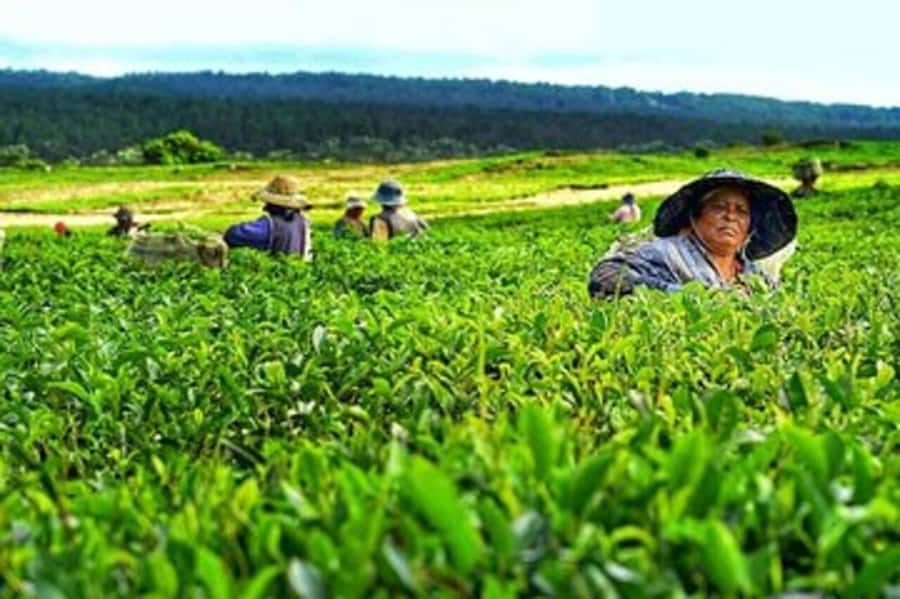
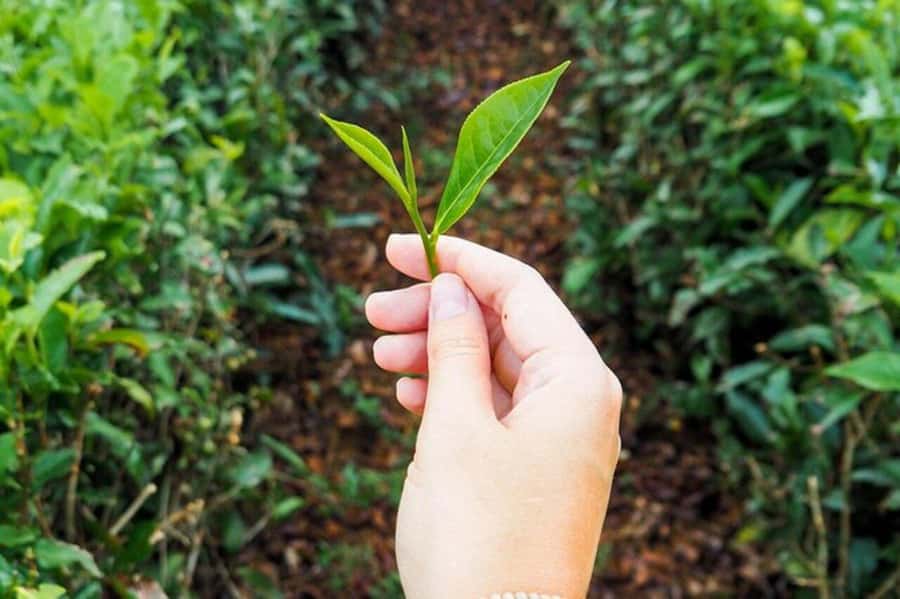
From there, you walk through the camphor tree garden and see trees from an endemic forest. You’re not just looking at tea bushes; you’re seeing how the estate sits within Mauritius’ plant world. Then the tour shifts to the tea plantation sights, where the guide connects what you’re seeing to how tea became so tied to the island’s identity.
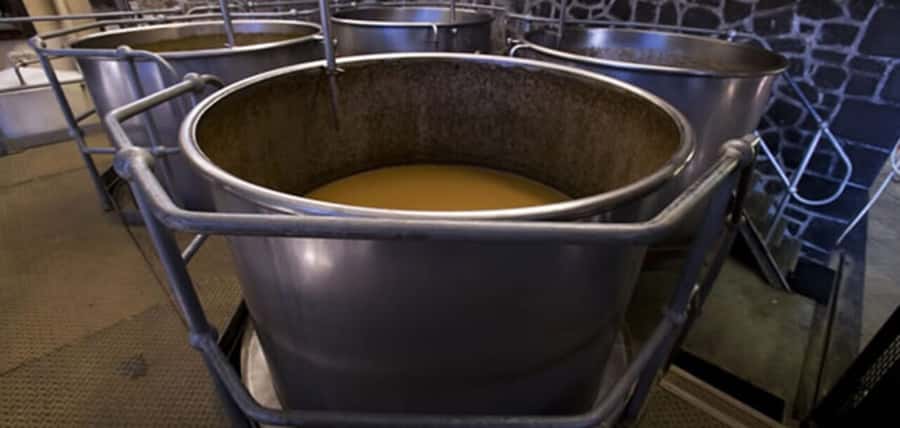
One of the most interesting stops is the old stable turned into a distillery. Here, you’ll hear about distillation of essential oils and the role of the equipment and process. This matters because it broadens the day beyond tea leaves. Mauritius flavor isn’t only in cups, it’s also in aromas and processing.
What to watch for: the distillery portion is part learning, part atmosphere. If you’re the type who enjoys hands-on process stories, this is a highlight.
Bois Chéri Tea Plantation: Factory-Era Machinery and a Tea Tasting Moment
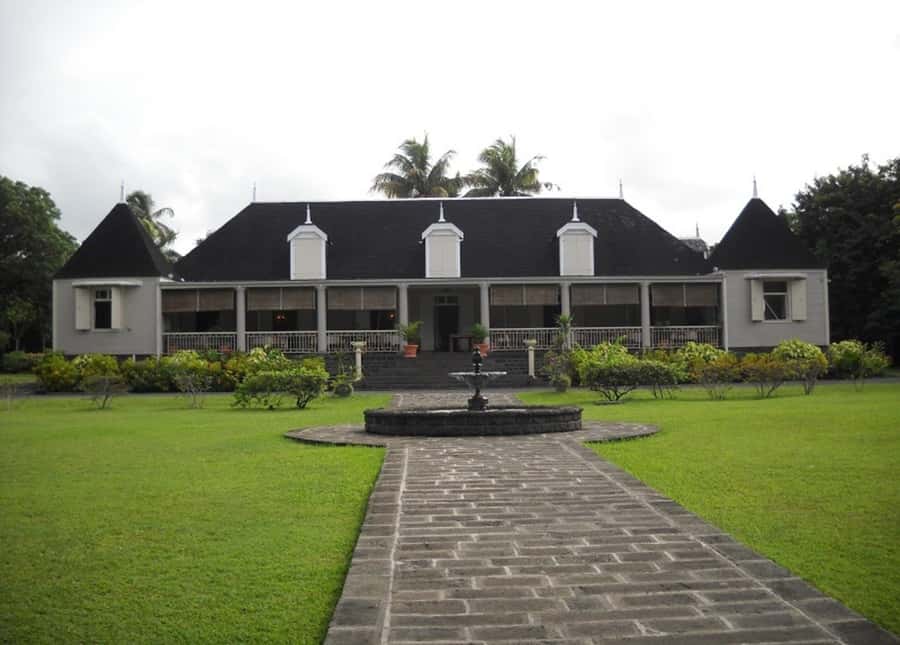
At Le Domaine de Bois Chéri, the tour focuses more tightly on how tea is made and how the estate’s story lives in its buildings and machines. You’ll learn about the tea production process at the factory, with old machines and supporting historical materials like 19th-century photos, tables, and documents.
This is one of those stops that can change how you think about tea. Instead of treating tea as a generic product, it becomes a chain of steps tied to specific equipment and time periods. The factory setup also makes the guide’s explanations easier to follow because you can point to what they’re talking about.
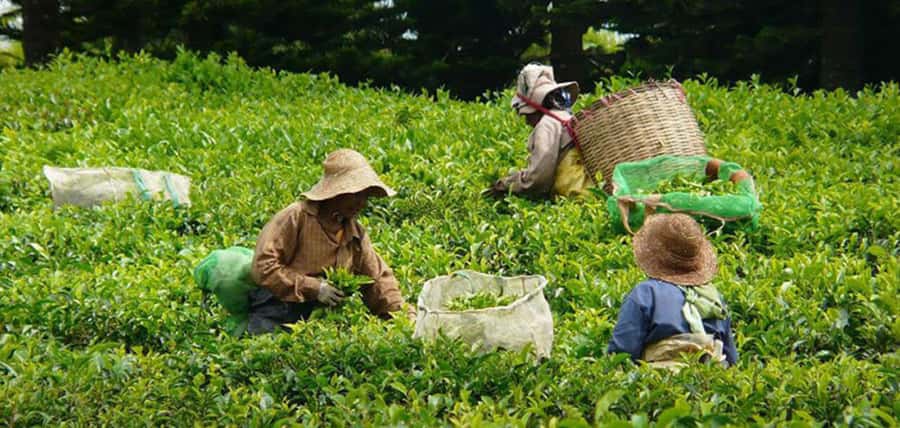
Then you get a walk through the tea plantation. The guide shares tales about Bois Chéri and why tea production mattered on Mauritius. If you like stories that connect plants to people and economics, this is the portion that delivers.
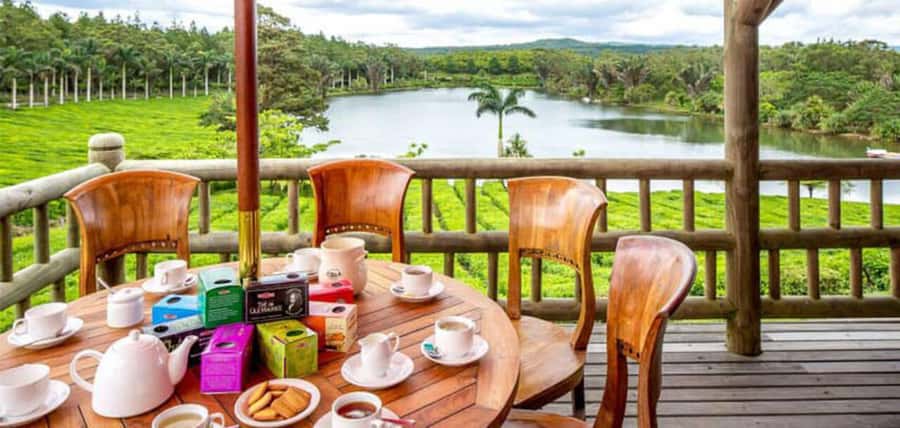
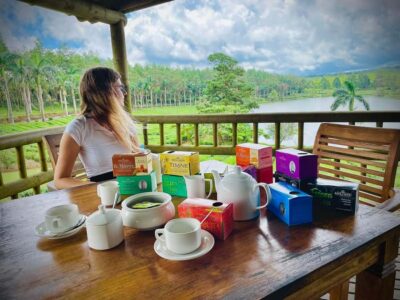
The day finishes the Bois Chéri segment with a tea museum and tea tasting, plus delicious biscuits at the chalet. This is a nice pacing choice. After the factory and walking, the tasting lets you reset your senses.
Tip: take a moment during the tasting to slow down and notice aroma before you sip. Tea tasting can feel subtle, but the guide’s context tends to make the differences easier to catch.
Saint Aubin: Sugar Cane, Rum Tasting, Vanilla Greenhouses, and Farm Animals
Next comes Le Domaine de Saint-Aubin, where the theme shifts from tea to sugar and rum. You’ll learn about the estate that produces sugar cane used to make rum, with tastings included. This part is great if you want the day to feel like a connected flavor map: tea, sugar, then rum.
You’ll also experience a more botanical side of the estate. You can smell anthurium flowers and visit vanilla greenhouses on a botanical walking trail. Vanilla on Mauritius has a different feel than vanilla as a bottled flavor. Seeing how it’s grown makes it feel more real.
Then there’s a farm interaction segment. You may get to see and interact with animals and birds, including fawns, chicks, and peacocks. It’s not an ultra-long wildlife show, but it adds warmth to the day. After factories and plantations, it’s a reminder this is an operating estate, not just a museum-style stop.
Finally, you’ll enjoy lunch on the grounds at Saint Aubin. The lunch is described as a 3-course menu, and it’s tied into local ingredients, including vanilla. Many visitors highlight how well the courses connect to the estate’s flavors.
Lunch at Saint Aubin: Why It Works Better Than a Random Restaurant
This tour’s lunch is worth paying attention to because it’s placed at the exact point where the story shifts from cane to rum. You eat on the premises, and the estate’s signature ingredients show up in the meal.
A few specific details that stand out from what people report:
- The lunch is a 3-course set menu
- Some courses feature vanilla grown there
- People describe it as authentic and nicely cooked
One consideration: since it’s fixed, if you’re hoping to swap dishes or you have strict dietary needs, you should plan ahead. Ask your guide early if anything can be adjusted.
If you’re choosing between tours, this is the kind of structure that makes the day feel complete. You learn, you walk, you taste, then you eat in the same place and keep the flavor theme consistent.
Rum Tasting: The Fun Part, and What to Expect
Rum tasting is included at Saint Aubin. In practice, rum tasting tends to be both sensory and social. You get a chance to connect cane and fermentation to something you can actually taste.
One note based on the range of experiences shared by different visitors: the rum stop can vary in how much production detail you get versus sales focus. If your main goal is detailed process, you’ll probably get more satisfying explanations from the plantation and factory parts of the day. If your goal is flavor and a relaxed tasting moment, this will likely land well.
My practical advice: go in curious. Ask questions about how the estate’s cane becomes rum, and let your guide point out what you should notice during tasting.
Guides, Language, and How to Get More Out of the Day
The tour runs with a live guide in English and French. Many people highlight guides by name, including Ibrahim, Sailen (also spelled Saulen in one case), Shilem, and Christopher. The common thread is that the best experiences come when you treat this as a conversation, not a checklist.
If you want the most out of it, do two things:
- Ask more than one follow-up question per stop. Plantation history, plant species, and production steps are easier to understand when you connect them.
- Tell your guide what you care about most: tea production details, colonial buildings and context, vanilla and botanical parts, or food and tastings.
That’s especially helpful on a day like this, where you’re moving across three estates. With the right guiding, the whole tour feels like one coherent story instead of separate attractions.
Price and Value: Is $350 Worth It for This Mauritius Route?
At $350 per group up to 2, this isn’t a budget tour. But the value can make sense if you compare what you’re getting: hotel pickup and drop-off, multiple estate visits (three major locations), tastings for tea and rum, and a full 3-course lunch.
This price tends to be worth it when:
- You’re traveling as a couple or small group and want a private feel
- You like learning that’s tied to places, not just exhibits
- You care about food and drink in a meaningful way
It may feel less worth it if you mostly want a quick photo tour. This day includes walking and multiple stops, so it’s best for people who enjoy spending a few hours outside the resort and paying attention.
Who This Tour Suits Best (And Who Might Prefer Something Else)
I think this tour fits best if you:
- Want a break from beach-only days and enjoy countryside walking
- Like the food-and-culture angle, especially tea, vanilla, sugar, and rum
- Appreciate historical context shown through real buildings, machines, and plant settings
- Prefer a private-group day with time to ask questions
You might not love it as much if:
- You want lots of free time to roam on your own (this is structured)
- You need flexible lunch choices or strict dietary swaps, since lunch is described as a set menu
- You’re mainly chasing a wildlife experience, because farm animals are a side moment, not the whole trip
Should You Book This Tea and Sugar Plantation Tour?
If you’re aiming for a Mauritius day that feels local and grounded, I’d book this. The mix of tea production, colonial-era context, botanical stops like camphor and vanilla greenhouses, and tastings makes it more satisfying than the usual plantation photo trip. Add in the Saint Aubin 3-course lunch on the grounds, and you get a full arc from learning to flavors.
Before you book, do one smart check: plan for a set-menu lunch and expect a guided, structured flow across three estates. If that sounds good to you, this is a strong pick for a memorable, non-beach Mauritius day.
FAQ
How long is the Mauritius Tea and Sugar Plantation Guided Tour?
The duration is 390 minutes (about 6.5 hours).
What does the tour include?
It includes hotel pickup and drop-off, visits to Domaine Des Aubineaux, Bois Chéri, and Saint Aubin, lunch at Saint Aubin, rum tasting, and a guide.
Where does the tour start and end?
It starts with pickup from your hotel lobby and ends with drop-off back to your hotel.
What estates and activities are part of the tour?
You visit Le Domaine des Aubineaux, Le Domaine de Bois Chéri, and Le Domaine de Saint-Aubin. You’ll see tea and sugar production areas, enjoy tea tasting at Bois Chéri, and do rum tasting at Saint Aubin.
Do I get to taste tea and rum?
Yes. The tour includes tea tasting at Bois Chéri and rum tasting at Saint Aubin.
What language is the guide available in?
The live tour guide is available in French and English.
Is this tour private and wheelchair accessible?
It’s offered as a private group and is wheelchair accessible.
Can I cancel if plans change?
Yes, it offers free cancellation up to 24 hours in advance for a full refund.
Is hotel pickup offered across Mauritius?
Yes. Pickup is described as available across all over Mauritius.
The Tea & Rum Route, compared.
 ★ 4.7Sights of the South Private Tour with Rum TastingFrom $9842 reviews
 ★ 4.5All Inclusive Full Day Tour: Chamarel Rhumrie,7-Coloured & LunchFrom $12017 reviews
 ★ 4.2North Tour with Tea Tasting & Oceanarium VisitFrom $10616 reviews
 ★ 4.5Wild South: Full-Day tour incl Rhumerie St Aubin, Bois cheri Tea factory & LunchFrom $14314 reviews
 ★ 4.8Tea, Rum and Vanilla Route with Lunch and PickupFrom $31012 reviews
 ★ 4.0The Gorgeous South of Mauritius: Full-day tour incl Tea Factory & Crocodile parkFrom $14610 reviews
 ★ 4.5Southern Treasures: Bois Cherri Tea Factory & 23-Colored EarthFrom $1369 reviews
 ★ 3.6Tea Route: Lake, Forest, Tea Plantation & 3 Course LunchFrom $587 reviews
Browse the lists this tour appears in